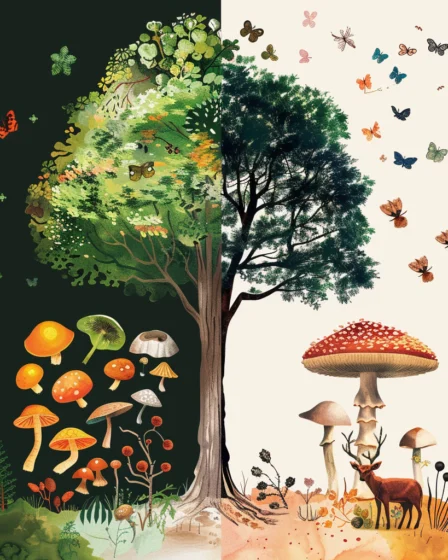
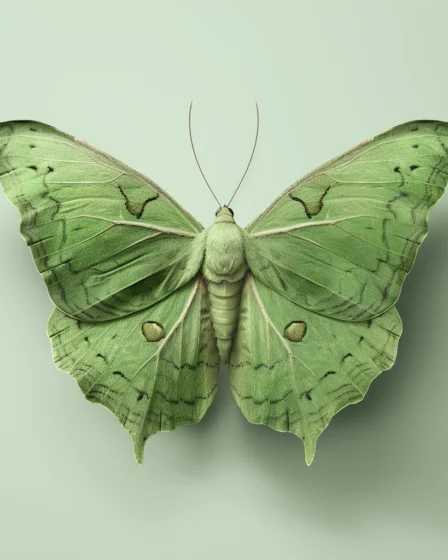
Mimicry is a natural phenomenon in which one organism evolves to resemble another. This adaptation helps species survive in their environment. Mimicry involves appearance, sounds, behaviors, and even smells. By imitating other organisms, mimics can avoid predators, catch prey, or attract mates. This article explores the concept of mimicry, its importance, and examples from the …
Biology
Why Study Microbiology? Explore Curriculum and Career Opportunities
Microbiology studies microscopic organisms like bacteria, viruses, fungi, and protozoa. These tiny life forms significantly impact our world, affecting everything from human health to environmental processes. By studying microbiology, you gain insights into these organisms’ vital roles and how we can use this knowledge to benefit society. Studying microbiology is essential for several reasons. It …
Epigenetics and the Epigenome’s Role in Gene Expression
Epigenetics is the study of changes in gene expression that do not involve changes to the underlying DNA sequence. These changes are brought about by various mechanisms that can turn genes on or off, effectively influencing how cells function and develop. Unlike genetic mutations, which alter the DNA sequence, epigenetic changes are reversible and can …
Microplastics in the Sea: Sources, Effects, and Mitigation Strategies
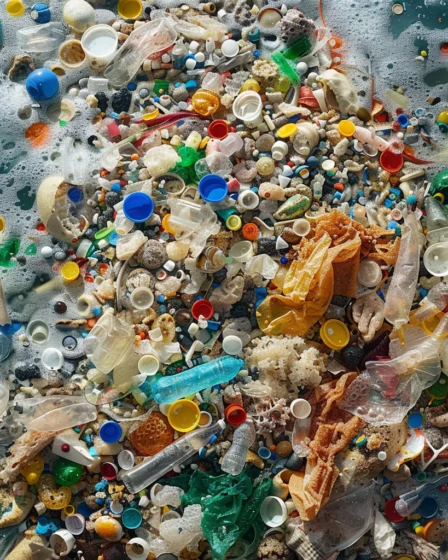
Microplastics are tiny plastic particles less than 5mm in size. They come from the breakdown of larger plastic items or are manufactured small for specific uses. These tiny particles are a big environmental problem because they are everywhere, including oceans, rivers, and even the air. Microplastics come from sources like cosmetics, clothing, and industrial processes. …
Learn About Evolution: Natural Selection and Darwin’s Theory
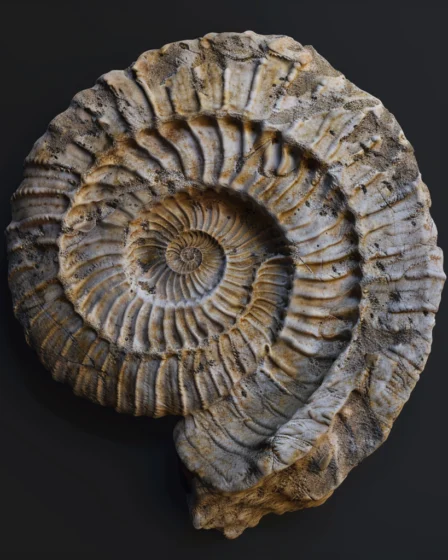
Evolution explains how species change over time through genetic variations and natural selection. It describes how organisms adapt to their environment, leading to the diversity of life we see today. Evolutionary theory helps us understand the origins of species, including humans. We will learn about natural selection, genetic variation, and adaptation. You will also learn …
Immune System: Understanding Phagocytes, Lymphocytes, and Antibodies
The immune system is a network of cells, tissues, and organs that protect your body from harmful invaders like bacteria, viruses, and parasites. It also identifies and destroys cancer cells. Learn how the innate and adaptive immune systems work together to protect you, what is good for the immune system, and the role of antibody …
Toxins and Their Sources: What is Toxicity and Toxins Types
Toxins, those invisible threats living organisms produce, can disrupt biological processes and cause serious health issues. We can find toxins in food, water, and even the air. Understanding how toxins work and their effects is vital for staying healthy. By learning about toxins, you can make smart choices about your environment and diet, preventing exposure …
Protozoa: Euglena, Amoeba, Paramecium and Their Characteristics
Protozoa are a diverse group of single-celled organisms that belong to the broader category of protists. These microorganisms are known for their ability to move independently and for their varied modes of nutrition. We can find protozoa in almost every habitat, including soil, water, and inside other organisms. Their role in the ecosystem is vital, …
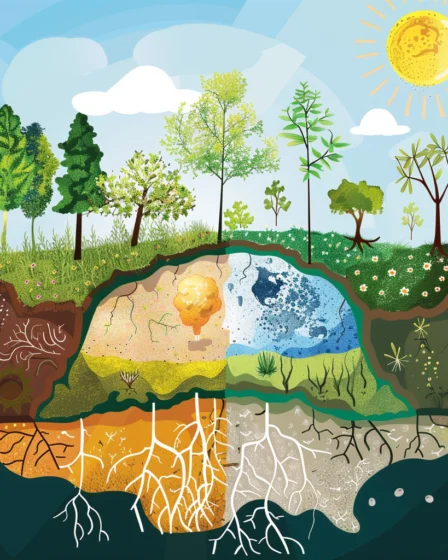
Nutrient Cycling and Biogeochemical Cycles: Carbon, Nitrogen, and Oxygen Cycle
Nutrient cycling keeps ecosystems healthy by moving vital elements like carbon, nitrogen, and oxygen through air, water, soil, and living things. The carbon and nitrogen cycles supply plants and animals with essential nutrients. Processes such as photosynthesis and decomposition put these nutrients back into the environment. Let’s dive into how these cycles work and why …
About Heterotrophs, Autotrophs, Chemoautotrophs and Lithotrophs
Organisms are sorted by how they get their energy and nutrients, falling into two main groups: heterotrophs and autotrophs. Heterotrophs are organisms that rely on other living things for food. Humans, animals, and many bacteria fit into this category. They consume plants or other animals to get the energy and nutrients they need to survive. …