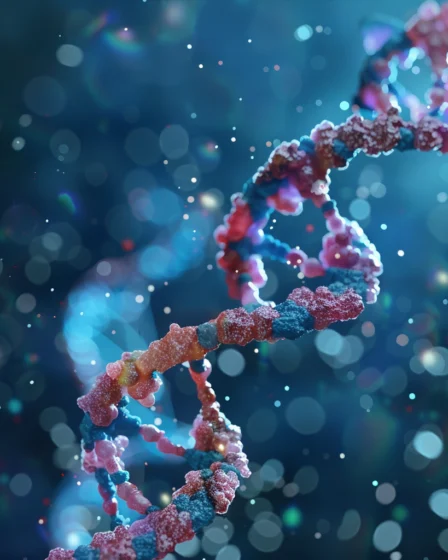
Understanding CRISPR Technology CRISPR technology, an acronym for Clustered Regularly Interspaced Short Palindromic Repeats, represents a groundbreaking advancement in genetic engineering. Originally a natural defense mechanism found in bacteria and archaea, CRISPR is an adaptive immune system that protects these microorganisms from viruses, particularly bacteriophages. Researchers have harnessed this system to create precise tools for …

Biology
Diffusion in Chemistry and Biology with Practical Examples
Diffusion is the movement of molecules from areas of higher concentration to areas of lower concentration, and it occurs in gases, liquids, and solids. Diffusion is essential in chemistry, allowing substances to spread out evenly without the need for energy. In biological systems, it enables crucial processes such as gas exchange in cells. Since it …
Bacteriophage Life Cycles: Understanding Lytic and Lysogenic Phases
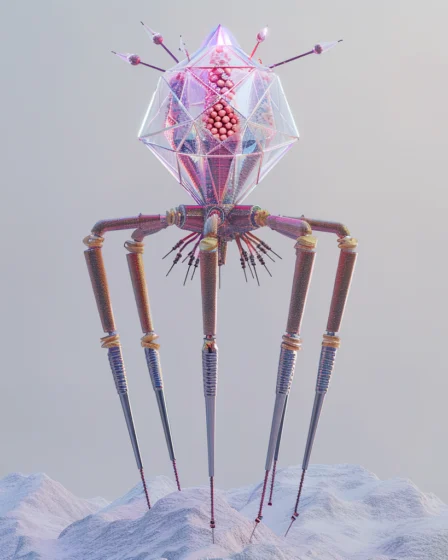
Bacteriophages, or phages, are viruses that specifically infect bacteria. Unlike other viruses, they are specialized to recognize and enter bacterial cells. Once inside, they use the bacteria’s machinery to replicate. Bacteriophages have two life cycles: the lytic cycle, where they reproduce and cause the bacteria to burst, and the lysogenic cycle, where they integrate their …
Protein Synthesis: Transcription, Translation, and the Role of Ribosomes
Ready to learn how cells produce the proteins that drive every process in your body? Let’s explore! Protein synthesis is how cells make the proteins that keep you alive and functioning. These proteins are crucial for everything your body does, from repairing tissues to producing enzymes that speed up chemical reactions. In every cell, protein …
RNA Structure, Function, and Types in Biological Processes
RNA, or ribonucleic acid, is essential for life. It carries genetic information, helps make proteins, and regulates genes. RNA comprises nucleotides, including ribose sugar, phosphate, and nitrogenous bases (adenine, cytosine, guanine, and uracil). Unlike DNA, RNA is usually single-stranded and can fold into different shapes. This flexibility allows RNA to perform various functions in the …
Eukaryotes and Eukaryotic Cell: Key Differences from Prokaryotes
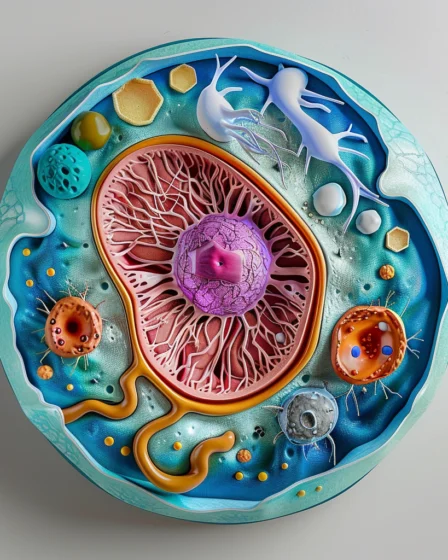
Eukaryotes are organisms with cells with a nucleus and organelles enclosed within membranes. This group includes animals, plants, fungi, and many single-celled organisms. Eukaryotic cells are more complex and larger than prokaryotic cells, which lack a nucleus. Prokaryotes, like bacteria, are simpler and usually smaller. Eukaryotes are vital because their complex cell structure allows for …
Prokaryotes and Prokaryotic Cell Explained in Detail
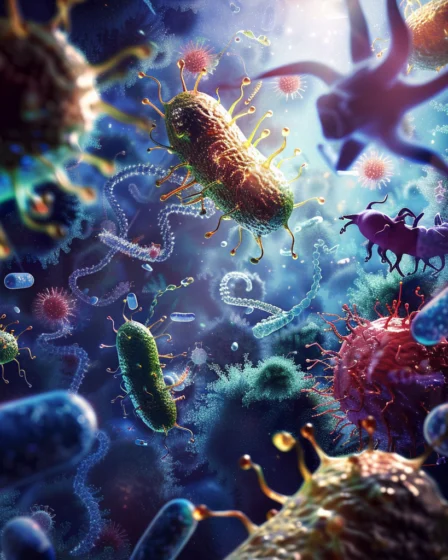
Prokaryotes are single-celled organisms without a nucleus. Their name comes from the Greek words “before nucleus,” indicating their simple structure compared to more complex cells. Prokaryotes include bacteria and archaea, which we find in almost every environment on Earth. Prokaryotes are everywhere. They live in soil, water, air, and even inside your body. In fact, …
Archaea: Discover Methanogenic and Thermophilic Microorganisms
Archaea are single-celled organisms that form one of the three domains of life, alongside Bacteria and Eukarya. Unlike bacteria, archaea have unique genetic and biochemical traits that make them stand out. These microorganisms thrive in various environments, including some of the harshest places on Earth. In this online biology textbook, you’ll learn about archaea’s definition, …
Plant Cell: Structure and Functions Explained
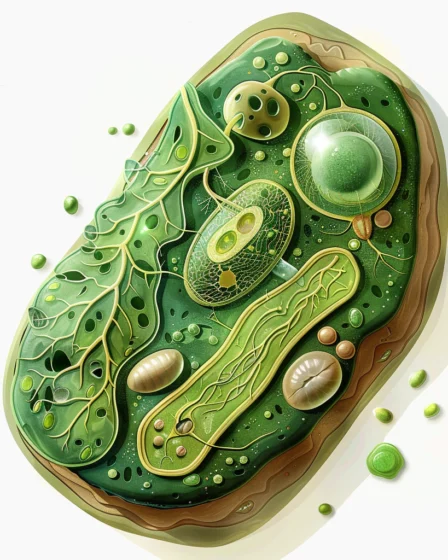
Plant cells are the basic units of life in green plants, which are photosynthetic organisms belonging to the kingdom Plantae. Plant cells have unique structures that set them apart from other eukaryotic cells, such as those of animals and fungi. By studying plant cells, you can understand how plants grow, develop, and interact with their …
Mendelian Genetics: Gregor Mendel’s Principles and Inheritance Laws
Mendelian genetics, named after Gregor Mendel, forms the basis of our understanding of heredity. Mendel’s experiments with pea plants in the mid-19th century revealed inheritance patterns that changed how we think about genetics. Though initially ignored, Gregor Mendel’s principles are now the foundation of classical genetics. They help us understand genetic diseases, improve crops, and …