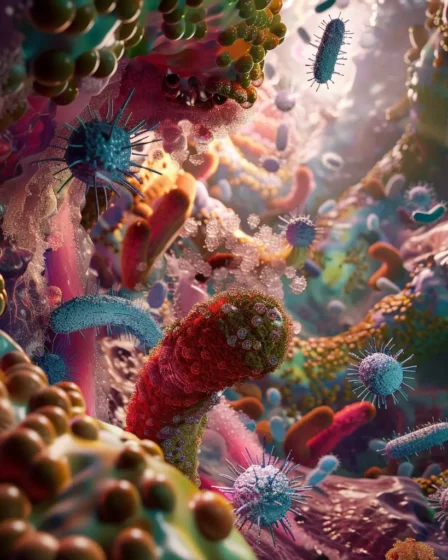
Imagine a car factory where robotic arms assemble vehicles piece by piece. If the assembly line stops, no cars are produced. Ribosomes work the same way in your cells. They read genetic instructions and build proteins, making sure everything in your body runs smoothly. Without ribosomes, life wouldn’t function. In this study guide, you’ll learn …
Biology
Mitochondria – The Powerhouse of Eukaryotic Cells
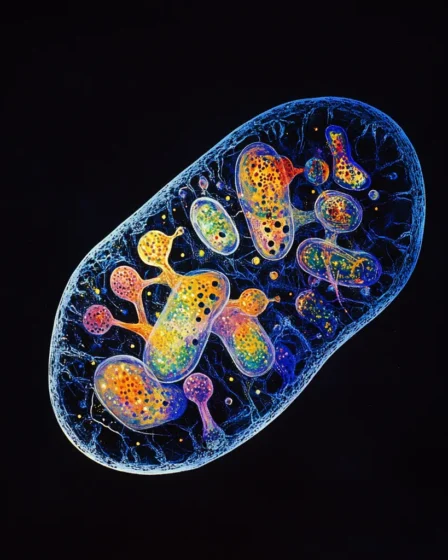
Think of mitochondria as the engines inside your cells, constantly producing energy to keep your body running. Without these tiny power plants, your muscles couldn’t move, your brain wouldn’t think, and your heart couldn’t beat. Their efficient energy production is why they are often called the “powerhouses of the cell.” This study guide explores mitochondria’s …
The Nucleus: Structure, Function, and Dynamics in Eukaryotic Cells
Imagine a conductor leading an orchestra where every instrument depends on precise coordination. The nucleus works the same way in eukaryotic cells. It organizes the cell by storing DNA, managing transcription, and producing RNA. Without the nucleus, cells cannot replicate or grow. Without this control center, cells could not replicate or grow effectively. In this …
Endoplasmic Reticulum: Protein Synthesis, Lipid Metabolism, and Cellular Transport
Imagine your cell as a bustling factory. The endoplasmic reticulum (ER) is like the assembly line, organizing the production and distribution of essential materials. It helps build proteins, process lipids, and store calcium, ensuring the smooth operation of the entire cell. Without its precise structure and coordination, the factory would fall apart. In this study …
Cell Membrane: Structure, Components and Functions
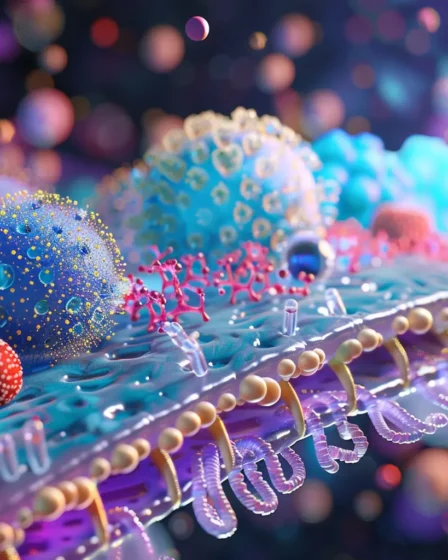
Imagine a border checkpoint controlling what enters and leaves a country. The cell membrane works similarly, regulating what moves in and out of the cell. This selective barrier maintains the cell’s balance, protecting it from harmful substances while allowing essential materials like oxygen and nutrients to pass through. It also removes waste efficiently, keeping the …
Animal Cell: Structure, Function, Diagram and Types
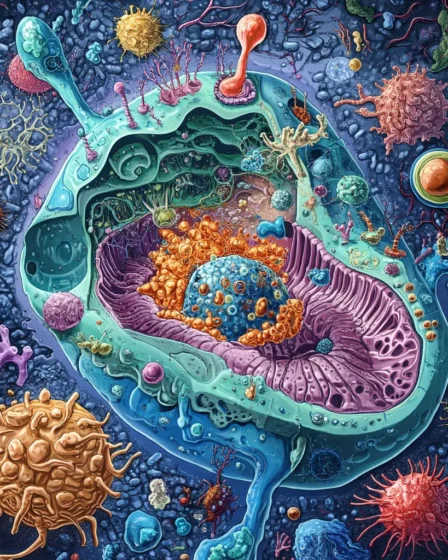
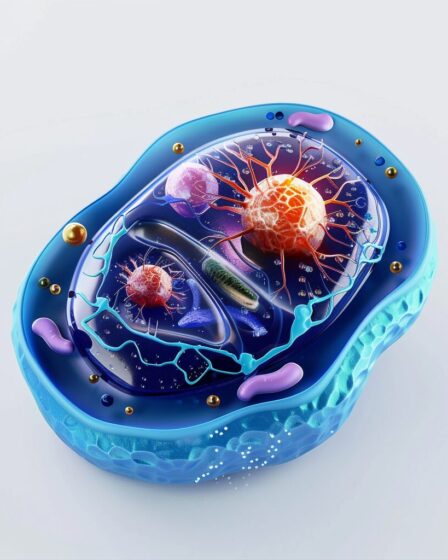
Animal Cells: What They Are and How They Work Animal cells are the building blocks of life for creatures in the Animalia kingdom. These cells differ from plant cells in a few key ways. You won’t find cell walls or chloroplasts in animal cells, but they do have special parts that help them function. What’s …
Plant Reproduction: Sexual and Asexual Strategies Explained
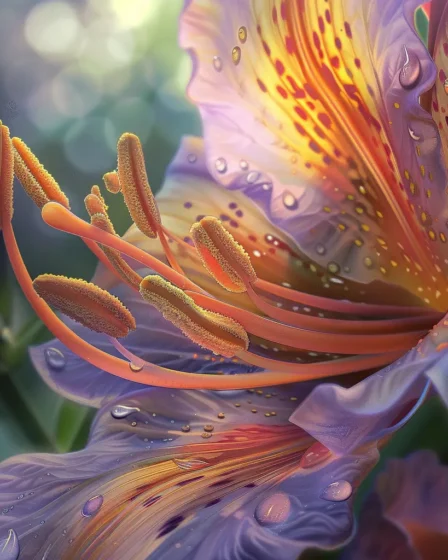
Chapter 1: Introduction to Plant Reproduction Plant reproduction is a fundamental biological process that ensures the survival and continuation of plant species across generations. It is pivotal in maintaining biodiversity and the stability of ecosystems. Plant reproduction mechanisms are broadly categorized into sexual and asexual methods, each contributing uniquely to ecological dynamics and genetic variability. …
Bioinformatics Overview: Tools, Techniques, and Emerging Technologies
Bioinformatics is a field that merges biology and computer science to make sense of complex biological data. It involves using computational tools and methods to analyze DNA, RNA, and protein sequences, uncovering patterns and relationships that traditional techniques can’t handle. Researchers rely on bioinformatics to study genomes, predict protein structures, and explore evolutionary links. With …
Endocrine System Overview: Key Glands, Hormones, and Their Functions
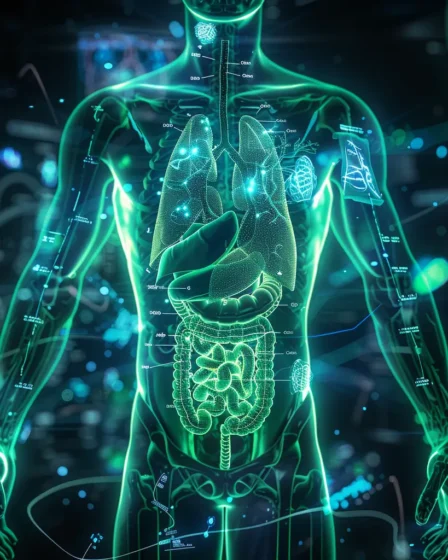
The endocrine system is a complex network of glands and organs that produce, store, and release hormones. These chemical messengers regulate many bodily functions, including metabolism, growth and development, tissue function, sexual function, reproduction, sleep, and mood. Unlike the nervous system, which uses electrical signals to communicate, the endocrine system relies on hormones that travel …
Understanding the Human Microbiome: Insights into Health and Disease
The human microbiome is a vast and intricate ecosystem comprising trillions of microorganisms that inhabit various parts of the human body, including the gut, skin, oral cavity, and more. These microorganisms include bacteria, viruses, fungi, and other microbial species that have co-evolved with humans over millions of years, forming symbiotic relationships that are crucial for …