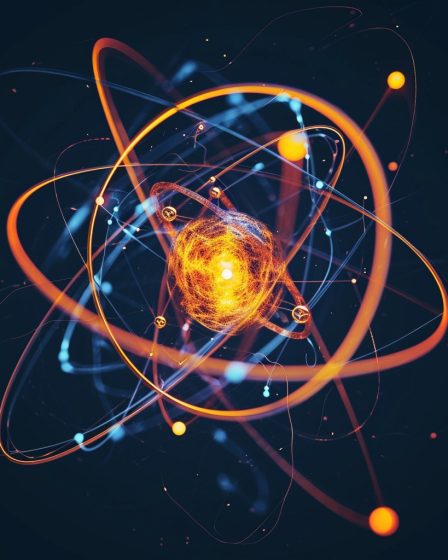
Every material in the universe is made of atoms, the smallest particles that can be identified as a specific element. Atomic structure refers to the arrangement of subatomic particles – protons, neutrons, and electrons – within an atom. This structure is crucial in chemistry because it determines how atoms interact, bond, and react with each …
Chemistry
How Shampoo Works and Other Examples of Chemistry in Everyday Life
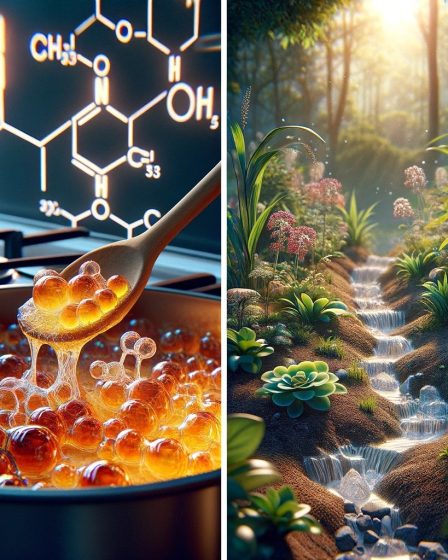
Have you ever wondered how shampoo works to keep your hair clean and healthy? Or why honey can sit on your shelf for years without spoiling? Chemistry is not just a subject in school; it’s a vital part of our daily lives. From the food we eat to the products we use, chemical reactions and …
What Are the Two Types of Respiration, and How Do They Work?
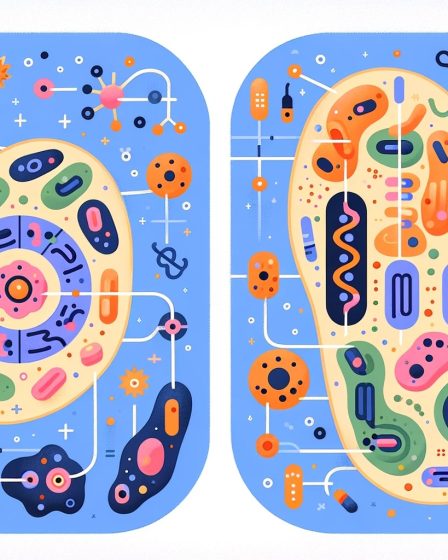
Respiration, in simple terms, is a process that all living organisms carry out to generate energy. It involves breaking food molecules, like glucose, to release energy. This energy is then used for various vital activities that keep organisms alive. In this context, we’ll explore types of respiration, mainly focusing on types of cellular respiration and …
Polymerase Chain Reaction: A Powerful Technique for DNA Amplification
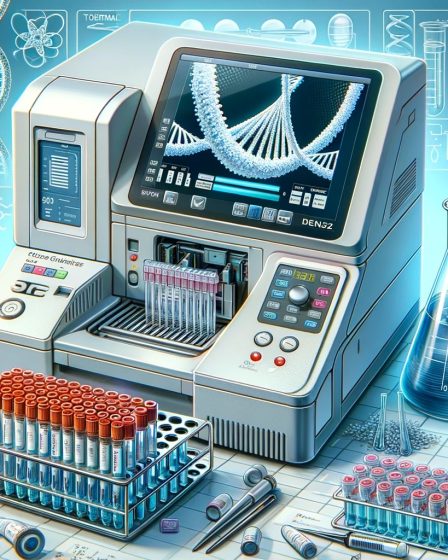
Have you ever wondered how scientists can detect and analyze tiny amounts of DNA from different sources, such as bacteria, viruses, fossils, or crime scenes? How can they make millions or billions of copies of a specific DNA segment in hours? The answer is a technique called polymerase chain reaction (PCR), which is one of …
What Is Adenosine Triphosphate and Why It Matters
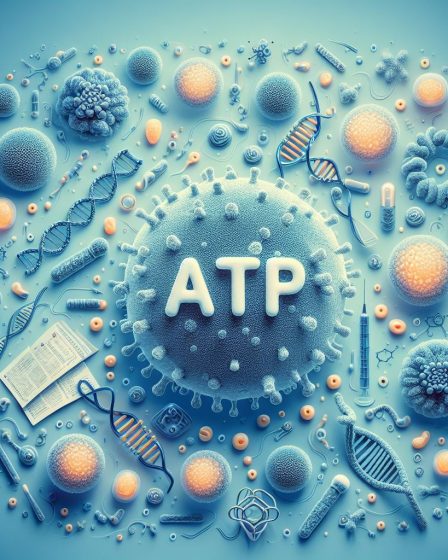
Adenosine Triphosphate (ATP) is a molecule that plays a key role in biology. It acts as universal energy currency for all living cells. Without ATP, most cellular processes would not be possible. ATP stores and releases energy by breaking and forming bonds between its three phosphate groups. This makes ATP a versatile and efficient molecule …
Amphiphilic Molecules: Exploring Hydrophilic and Hydrophobic Traits
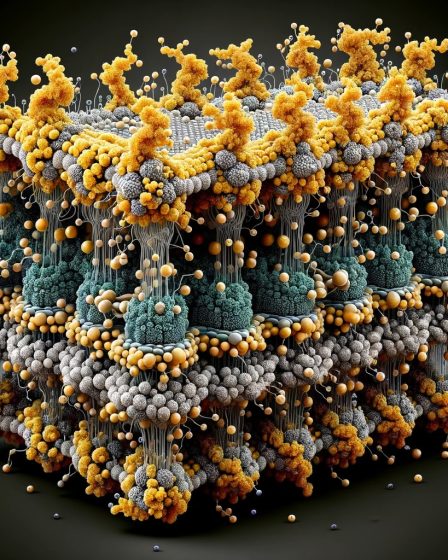
Welcome to the fascinating world of amphiphilic molecules, a topic that, while it may sound complex, is quite integral to both our understanding of chemistry and many aspects of our daily lives. In this comprehensive guide, we will delve deeper into the structure, types, roles, and applications of amphiphilic molecules. We’ll also explore how learning …
What is Biochemistry: A Comprehensive Guide to the Science of Life
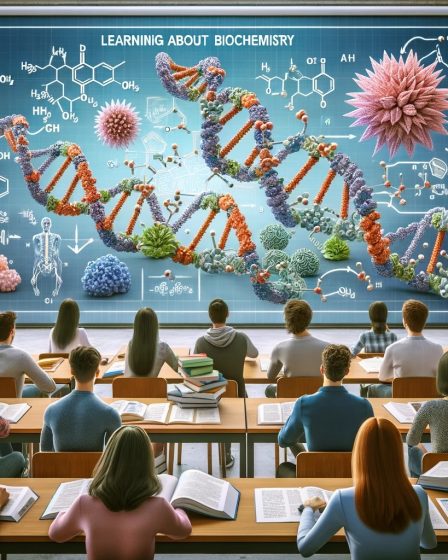
Biochemistry stands at the crossroads of biology and chemistry, exploring the vast chemical processes that define living organisms. This guide is designed for beginners and those with a budding interest in the molecular mechanics of life. At its core, biochemistry helps us understand the molecular foundations of life. It involves studying proteins, lipids, carbohydrates, nucleic …
What is Nuclear Fusion: The Ultimate Source of Clean Energy
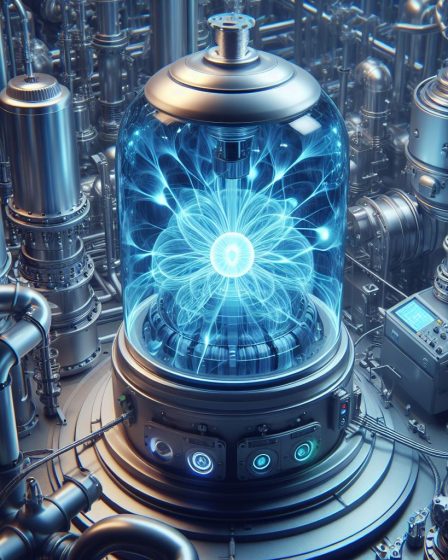
Nuclear fusion is a beacon of hope and potential in our quest for sustainable, eco-friendly energy solutions. Fusion, in its essence, is a process where two lighter atomic nuclei merge to form a heavier nucleus. This remarkable phenomenon isn’t just a marvel of the natural world, seen powering stars like our Sun. Still, it also …
What Are Greenhouse Gases and How Do They Affect Global Warming?
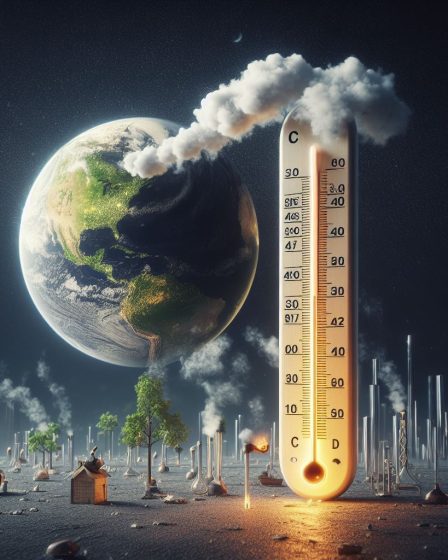
Greenhouse gases are like a blanket for our planet. They trap heat from the sun and keep Earth warm enough for us to live. But, too many of these gases can lead to problems like climate change. This blog will discuss these gases, their origin, and how they change our planet. Think of greenhouse gases …
What Is a Mineral and How It Differs from Vitamins
Have you ever wondered what is a mineral and why minerals are so important in chemistry and health? Minerals are more than just elements found in rocks; they’re essential for our bodies to function properly. In chemistry, minerals appear in everything from the soil to the very structure of our world. And when it comes …